In the global economy of frozen foods, pharmaceuticals, and long-term preservation, few technologies are as critical as Frozen Storage. Unlike chilled storage, which merely slows bacterial growth, frozen storage halts it almost entirely by reducing product temperature to -18°C or lower. At these temperatures, water turns to ice, microbial activity ceases, enzymatic reactions become negligible, and products can remain safe and nutritious for months or even years. Frozen storage is the engine behind the multi-billion-dollar frozen food industry, enabling consumers to enjoy ice cream on a hot summer day, restaurants to serve frozen French fries, and hospitals to store frozen plasma and tissue samples.
But effective frozen storage requires precision engineering: industrial-grade refrigeration, high-density insulation, real-time temperature monitoring, backup power systems, and strict inventory rotation. A single degree of temperature fluctuation can cause freezer burn, ice crystal growth, and product degradation. For businesses dealing in frozen goods—importers, distributors, supermarkets, restaurants, and healthcare providers—professional frozen storage is not an expense. It is an essential investment in product integrity and customer trust.
The Saudi frozen storage market is undergoing rapid transformation, driven by Vision 2030’s food security initiatives and the expansion of modern retail. Mega-projects like the Red Sea Global’s logistics hub, which will include cold and dry storage for its 50 resorts and 8,000 rooms, are reshaping the industry landscape. This comprehensive guide explores the specialized frozen storage requirements in Dammam and Jeddah, two of the Kingdom’s most important logistics hubs.
Frozen Storage in Dammam
Dammam, the capital of Saudi Arabia’s Eastern Province and a major Gulf port city, presents unique challenges for Frozen Storage in Dammam. The city experiences extreme summer temperatures that regularly exceed 45°C, combined with periodic Gulf humidity and salt-laden air from nearby industrial zones. This combination creates a demanding environment for frozen storage facilities, requiring enhanced corrosion protection, robust refrigeration systems, and careful facility design.
Engineering for Eastern Province Conditions
Frozen storage facilities in Dammam must be engineered to withstand multiple environmental stresses. High-density polyurethane insulation of 150mm to 200mm thickness is essential to maintain internal temperatures despite external heat. Refrigeration systems must be oversized and protected from salt corrosion, which can degrade condenser coils and other components. Air intake filters require more frequent replacement due to industrial particulate matter. Additionally, the region’s periodic dust storms can clog ventilation systems, requiring robust filtration and maintenance protocols.
Dammam’s Third Industrial City, covering over 24 million square meters, is one of the largest industrial zones in the Middle East, hosting manufacturers of petrochemicals, plastics, building materials, and processed foods. Many of these manufacturers require frozen storage for raw materials, work-in-progress, and finished goods. The food processing sector, in particular, depends on reliable frozen storage for meat, poultry, seafood, and prepared meals destined for domestic consumption and export to other GCC countries.
Strategic Importance of King Abdulaziz Port
King Abdulaziz Port in Dammam is the largest port in the Arabian Gulf and a critical gateway for frozen imports. The port handles massive volumes of frozen chicken from Brazil, frozen vegetables from Europe, and frozen fish from various origins. Companies with frozen storage facilities near the port can receive reefer containers directly, transfer goods to temperature-controlled warehouses within hours, and redistribute to markets across the Eastern Province and beyond. This proximity minimizes cold chain breaks and reduces the risk of temperature excursions that can damage product quality.
Regional Market Dynamics
The demand for frozen storage in Dammam extends beyond food products. The healthcare sector in the Eastern Province, anchored by major facilities like King Fahd Specialist Hospital in Dammam and Johns Hopkins Aramco Healthcare in Dhahran, requires ultra-low temperature storage for vaccines, biologics, and laboratory samples. Some pharmaceutical applications demand temperatures of -40°C to -80°C, requiring specialized freezer units and validated storage protocols.
The region’s large expatriate population also drives demand for international frozen foods not produced locally. Distributors import frozen goods from around the world, requiring storage facilities that can handle diverse product types with different temperature requirements. Multi-temperature facilities that offer -18°C to -20°C for general frozen goods, -25°C to -30°C for ice cream, and dedicated ultra-low temperature zones for pharmaceuticals are particularly valuable.
Frozen Storage in Jeddah
Jeddah, Saudi Arabia’s bustling port city on the Red Sea and the gateway to the Two Holy Mosques, presents a different set of challenges for Frozen Storage in Jeddah. Unlike Dammam’s hybrid conditions, Jeddah experiences high humidity year-round, with coastal fog and occasional rainfall. This moisture can cause ice buildup on evaporator coils, reducing refrigeration efficiency and increasing energy consumption. Frozen storage facilities in Jeddah must incorporate robust dehumidification systems and more frequent defrost cycles to maintain optimal performance.
The Humidity Challenge
The combination of high external humidity and sub-zero internal temperatures creates unique operational challenges. Every time a freezer door opens, humid air rushes in and immediately condenses, forming ice on floors, racking, and evaporator coils. This ice buildup reduces storage capacity, creates slipping hazards, and forces refrigeration systems to work harder. Professional frozen storage facilities in Jeddah use rapid-roll insulated doors that open and close in under five seconds, high-velocity air curtains that create an invisible barrier between interior and exterior environments, and automated defrost systems that prevent excessive ice accumulation.
Jeddah Islamic Port and Logistics Infrastructure
Jeddah Islamic Port is the Kingdom’s busiest port, handling the majority of frozen imports destined for western Saudi Arabia and the holy cities of Makkah and Madinah. The port’s reefer container handling capacity has expanded significantly in recent years. Major investments include the construction of the largest logistics park in Saudi Arabia, a $240 million collaboration between Mawani (Saudi Ports Authority) and DP World at Jeddah Islamic Port. This 415,000 square-meter integrated logistics park includes bonded and unbonded zones, with grade-A warehouse spaces offering dry, chilled, and frozen storage facilities.
The logistics park features 185,000 square meters of warehouse space and an expansive storage yard with capacity for 390,000 pallet positions. It is designed with sustainable infrastructure, including a rooftop solar plant that will generate 20 MW of renewable energy. This facility significantly enhances Jeddah’s frozen storage capacity while reducing operational costs through renewable energy integration.
Seasonal Demand Peaks
Jeddah’s frozen storage market experiences dramatic seasonal peaks driven by Hajj and Umrah pilgrimages. During these periods, demand for frozen meat, poultry, prepared meals, and ice cream surges as hospitality providers and catering companies serve millions of pilgrims. Frozen storage facilities must maintain surge capacity to handle increased inventory levels, with flexible contracts allowing clients to scale space up during peak seasons and down during off-peak periods.
Unique Product Requirements
The western region also has unique product requirements. The seafood industry, centered around Jeddah’s fishing fleet, requires rapid freezing immediately after catch to preserve freshness and prevent histamine formation. Blast freezing capabilities that can reduce product core temperature from +5°C to -18°C in under four hours are essential. The floral industry, serving weddings and events throughout the region, requires precise temperature control for imported flowers, often stored at temperatures just below freezing to extend vase life.
Units: Your Trusted Partner for Frozen Storage Across Saudi Arabia
When your business demands frozen storage that is reliable, compliant, and strategically located, one company leads the market across Saudi Arabia: Units. As the top company for frozen storage solutions, Units operates state-of-the-art facilities in Dammam, Jeddah, and Riyadh, serving importers, distributors, supermarkets, restaurants, and healthcare providers across the Kingdom.
Engineering Excellence for Saudi Conditions
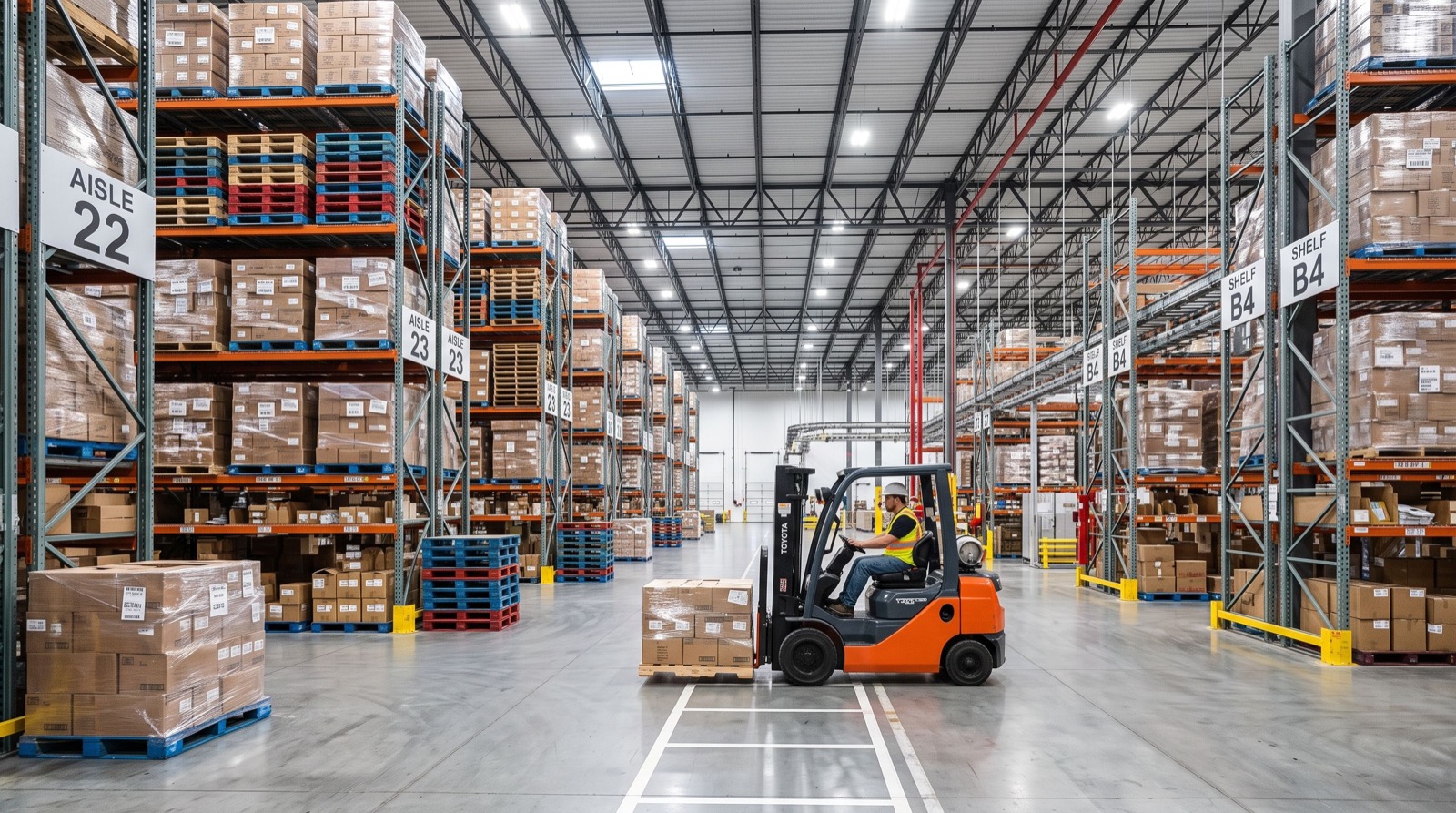
Units designs and operates purpose-built frozen facilities with every component selected for maximum performance under Saudi conditions. Their frozen storage chambers maintain temperatures as low as -30°C with variance never exceeding ±1°C, achieved through redundant refrigeration systems from global leaders. Each facility features 150mm to 200mm of high-density polyurethane insulation with vapor-tight joints, minimizing thermal leakage and reducing energy costs. Rapid-roll insulated doors and high-velocity air curtains dramatically reduce cold air loss during loading and unloading, which is particularly critical in Jeddah’s humid environment.
Dammam Facility
Units’ Dammam facility is strategically located in the Eastern Province, offering easy access to King Abdulaziz Port and the Gulf Bridge connecting to Bahrain. The facility serves the region’s industrial heartland, including food processors, pharmaceutical distributors, and supermarket chains. Enhanced corrosion protection measures address the salt-laden air of the Eastern Province, with marine-grade components and regular maintenance protocols ensuring long-term reliability.
Jeddah Facility
Units’ Jeddah facility is located near King Abdulaziz Port and the Haramain High-Speed Railway station, ideal for importers and distributors serving Makkah, Madinah, and the western region. The facility features enhanced dehumidification systems and more frequent automated defrost cycles to combat Red Sea humidity. Surge capacity options accommodate the dramatic seasonal demand peaks during Hajj and Umrah.
Temperature Zones, Monitoring, and Compliance
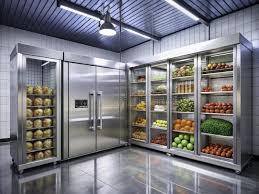
Units offers multiple temperature zones to accommodate diverse product requirements: -18°C to -20°C for general frozen goods (meat, poultry, vegetables), -25°C to -30°C for ice cream and premium frozen products, and validated -40°C chambers for pharmaceutical and biomedical applications. Every client receives secure 24/7 web portal access showing real-time temperature readings from multiple sensors within their storage zone, with automated email or SMS alerts if temperatures exceed specified ranges. Units maintains SFDA certification, ISO 22000 for food safety management, and ISO 9001 for quality management, with backup generator systems providing 72 hours of continuous operation without mains power throughout all three major Saudi cities.
Don’t let the extreme Saudi climate compromise your frozen products. Whether you need -18°C for general frozen goods, -25°C for ice cream, or -40°C for pharmaceuticals, Units delivers the precision, security, and expertise your business demands. Visit their website at units.sa to schedule a facility tour, request a customized quote, or speak directly with one of their frozen storage specialists.
Conclusion
Frozen storage is the silent hero of modern food and pharmaceutical supply chains. Frozen Storage halts biological decay, preserves nutritional value, and extends shelf life from days to years. In the Eastern Province, Frozen Storage in Dammam must withstand extreme heat, periodic humidity, salt-laden air, and serve the region’s industrial heartland. In the western region, Frozen Storage in Jeddah requires enhanced dehumidification, marine-grade corrosion resistance, and surge capacity for Hajj and Umrah peaks. Across both locations, Units stands as the top company, offering SFDA-compliant, technologically advanced, and professionally managed frozen storage facilities. Do not trust your valuable frozen inventory to substandard warehousing. Visit units.sa today and secure the frozen storage solution your business deserves.
Frequently Asked Questions (FAQs)
1. What is the ideal temperature for long-term frozen storage of food?
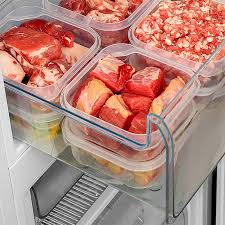
For most frozen foods including meat, poultry, seafood, vegetables, and prepared meals, the standard is -18°C or lower. Ice cream requires -25°C to -30°C to maintain smooth texture and prevent ice crystal formation. Some pharmaceuticals and biological samples need -40°C or lower. Units offers multiple temperature zones to match your product requirements.
2. How does Units protect frozen products during power outages or equipment failures?
Every Units frozen storage facility has automatic backup generators that activate within seconds of a power failure. Their refrigeration systems maintain safe temperatures for 6–8 hours without active cooling due to high-performance insulation. Units maintains on-site fuel reserves for 72 hours of continuous operation and conducts weekly load tests to ensure reliability, with monitoring systems sending immediate alerts to their engineering team if any temperature deviation occurs.
3. How does Units handle Jeddah’s high humidity for frozen storage?
Units’ Jeddah facility uses rapid-roll insulated doors that open and close in under five seconds, high-velocity air curtains at all entry points, and automated defrost cycles to prevent excessive ice accumulation. Enhanced dehumidification systems and marine-grade corrosion-resistant materials protect equipment from salt-laden air, with systems sized for the unique demands of the Red Sea climate.
4. Does Units offer blast freezing services for products that need rapid freezing?
Yes. Units operates industrial blast freezers that can reduce product core temperature from +5°C to -18°C in under four hours. Rapid freezing creates smaller ice crystals, preserving cellular structure and resulting in better texture and flavor upon thawing. This service is particularly popular for seafood companies near Jeddah’s fishing fleet and for meat processing facilities in the Eastern Province.
5. How can I monitor my frozen products remotely while they are stored at Units?
Units provides every client with secure 24/7 web portal access showing real-time temperature readings from multiple sensors within your dedicated storage zone. You can view historical data graphs, download temperature logs for SFDA regulatory audits, and configure automated email or SMS alerts if temperatures exceed your specified range. Their portal is accessible from any internet-connected device worldwide, giving you complete visibility and control over your frozen inventory.