Dog Poop Bags: How to Pick the Best Ones for 2026 (Buyer’s Guide)
Choosing the right dog poop bags sounds trivial until one splits at the wrong moment. In 2026, pet owners have more options than ever, from thick leak-proof rolls to compostable alternatives, and the differences genuinely matter for cleanliness, convenience, and the environment. This buyer’s guide breaks down what actually separates a great bag from a frustrating one, so every walk and yard cleanup ends without a mess.
If you own a dog, you handle waste hundreds of times a year. Getting your bags right is one of the simplest quality-of-life upgrades available, and it costs only a few dollars a month.
Why Dog Poop Bags Deserve More Attention
A flimsy bag is worse than no bag because it gives false confidence. Thin plastic tears under pressure, leaks through pinholes, and refuses to knot securely. The result is contaminated hands, dirty pockets, and a walk cut short. Quality bags solve all of that with thicker film, reliable seams, and generous sizing.
There is also a public-health dimension. The Centers for Disease Control and Prevention notes that dog feces can transmit parasites such as roundworms and hookworms to humans, so containing waste properly protects your household and your community, not just your shoes.
Key Features to Compare
Before you buy, weigh a few concrete factors. Not every bag needs to check every box, but the best all-rounders balance strength, size, and ease of use.
- Thickness: Measured in microns; 15+ resists tearing well
- Size: Larger bags suit big breeds and multiple pickups
- Leak resistance: Solid seams and no pinholes
- Ease of separation: Bags that open without fighting the roll
- Scent control: Optional lavender or unscented options
Comparison of Common Bag Types
| Bag Type | Strength | Eco Impact | Best For |
|---|---|---|---|
| Standard plastic | Low–Medium | High waste | Budget buyers |
| Heavy-duty film | High | Medium | Large dogs, yards |
| Compostable | Medium | Low | Eco-conscious owners |
| Scented rolls | Medium–High | Medium | Odor-sensitive homes |
Why Heavy-Duty Bags Win for Most Owners
For daily reliability, thickness is king. Owners of large breeds, or anyone cleaning a full yard at once, benefit most from heavy duty bags that hold their shape and never surprise you with a leak. The extra film costs pennies more per bag but eliminates the single most common cleanup failure.
Heavy-duty options also tie off more securely, which matters when bags sit in a bin for days before pickup. A tight knot keeps odor and flies contained until disposal day.
Pairing Bags With the Right Tools
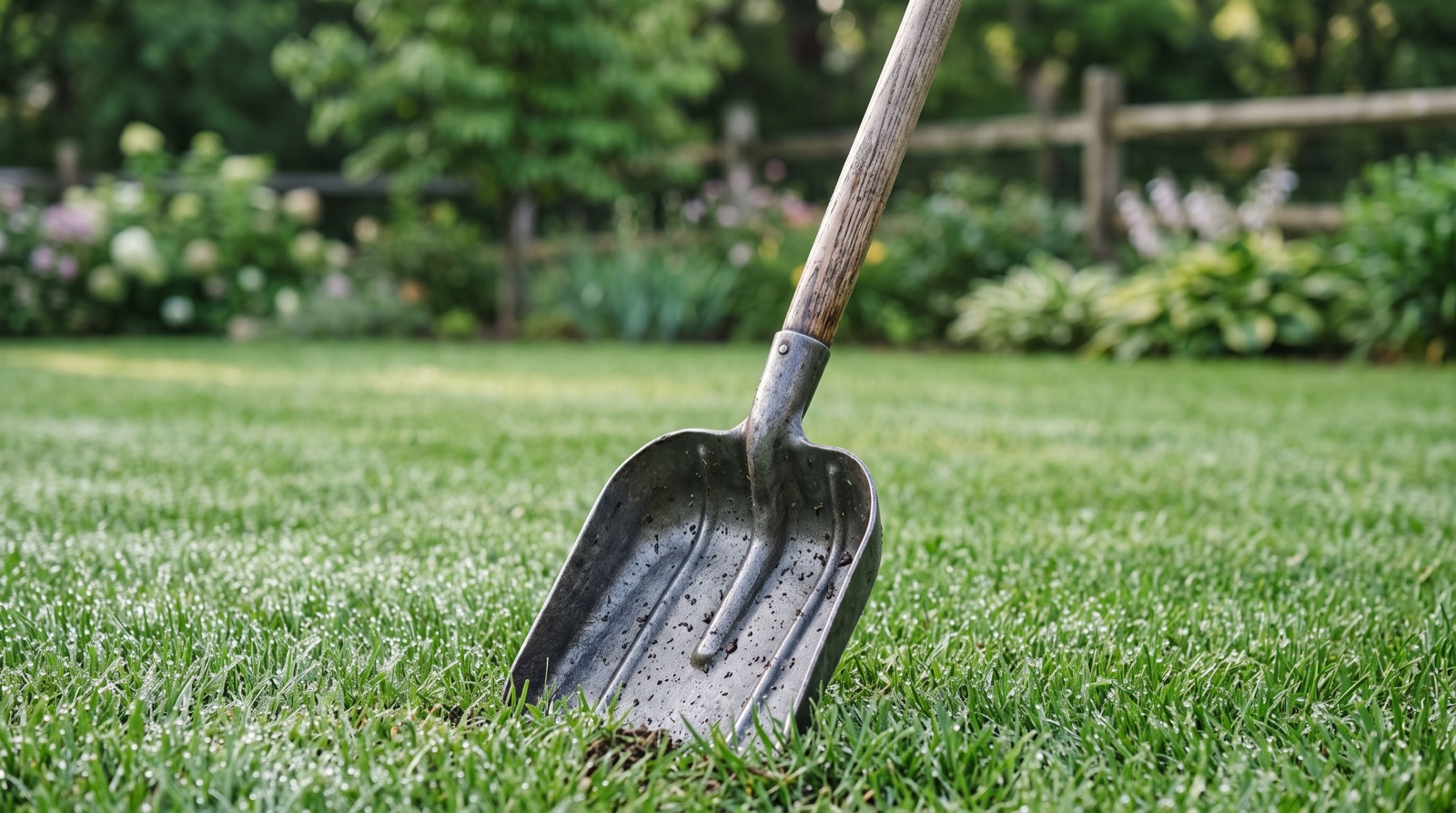
Bags handle the containment, but collection is easier with a proper scooper, especially for yard duty. Bending over for every deposit is hard on the back and knees. A quality Pooper Scooper nearby lets you stand upright while you work, and the best designs drop waste straight into your bag with no touching required.
When you need help beyond DIY, reliable local experts can handle recurring cleanups so you never fall behind, particularly during busy seasons or travel.
Are Compostable Bags Worth It?
Compostable and biodegradable bags appeal to eco-minded owners, and they have improved a lot by 2026. The catch is that they need specific composting conditions to break down properly, and they should never go into a home compost meant for garden vegetables because of pathogen risk. If municipal pet-waste composting is available in your area, they shine. Otherwise, a durable standard bag disposed of correctly is often the more practical choice.
How to Store and Dispose of Bags Properly
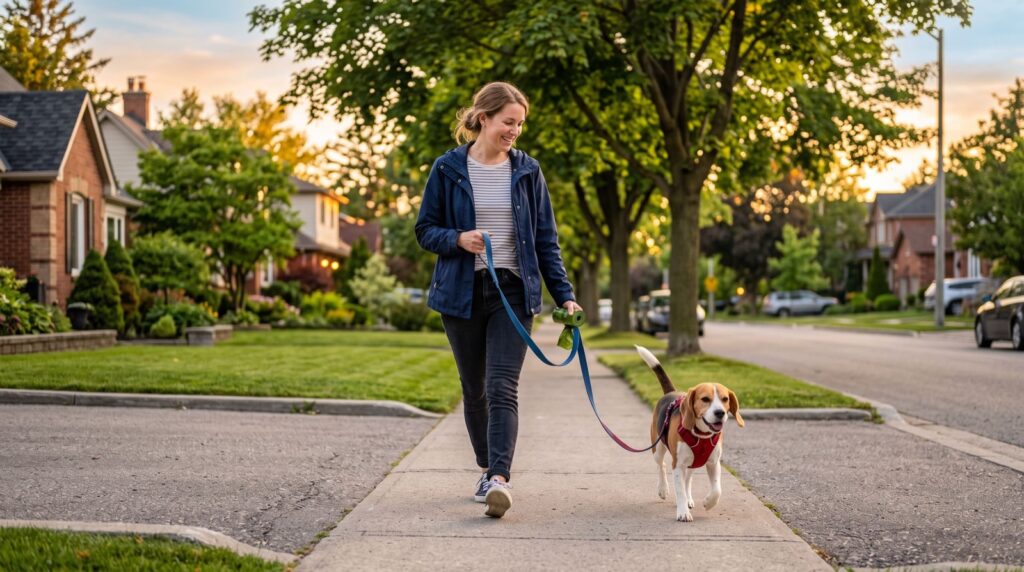
Keep a full roll in every leash, jacket, and by the back door so you are never caught empty-handed. After collecting, tie the bag tightly and place it in a sealed outdoor waste bin, not a storm drain or compost pile. Emptying bins on schedule prevents odor buildup and keeps pests away.
Storing bags away from direct heat and sunlight also extends their shelf life, since UV exposure can weaken the film over time. A small dispenser mounted by the door keeps a fresh supply organized and within reach.
Common Mistakes Owners Make With Bags
Even careful owners fall into a few traps. The most common is reusing thin grocery bags that are not designed for waste, which leak and tear. Another is buying the cheapest roll in bulk only to double-bag everything, which wastes more plastic than simply buying a quality bag once.
- Relying on flimsy grocery bags that leak
- Under-sizing bags for a large-breed dog
- Letting bags pile up instead of binning them promptly
- Assuming all “biodegradable” claims are equal
Avoiding these missteps saves money, reduces mess, and keeps your disposal routine genuinely hygienic rather than a constant source of frustration.
Bulk Buying vs. Single Rolls
For most households, buying bags in bulk is the smart move. The per-bag cost drops sharply, and you avoid the panic of running out mid-walk. Given that a single dog uses dozens of bags monthly, a large supply pays for itself quickly and simplifies your routine.
Just be sure to store bulk supplies properly so the film stays strong. Rotating older rolls to the front ensures you use them before any degradation sets in, keeping every bag as reliable as the day you bought it.
Frequently Asked Questions
How thick should dog poop bags be?
Aim for at least 15 microns for everyday use. Thicker film resists tearing, holds larger loads, and knots securely, which prevents leaks during walks and yard cleanups.
Can I flush dog waste instead of bagging it?
Most experts advise against flushing because many municipal systems are not designed for it, and bags are almost never flushable. Bagging and binning is the safer, more reliable disposal method for the vast majority of households.
Do scented bags actually reduce odor?
They mask odor rather than eliminate it, which helps during longer walks or when bags wait in a bin. Unscented options work fine for owners sensitive to fragrance who dispose of waste promptly.
How many bags will I use per month?
A single dog typically needs 30 to 60 bags monthly, more with multiple pets or full yard cleanups. Buying in bulk rolls keeps the per-bag cost low and ensures you never run out.
Final Thoughts
The right dog poop bags turn a daily nuisance into a non-event. In 2026, prioritize thickness, size, and secure knotting, then match your bags with a good scooper for yard work. Whether you go heavy-duty or compostable, consistency and proper disposal are what keep your home, your hands, and your neighborhood clean. Stock up today and make every cleanup effortless.