Solar Panels in Pakistan: Boost Home Value in 2026
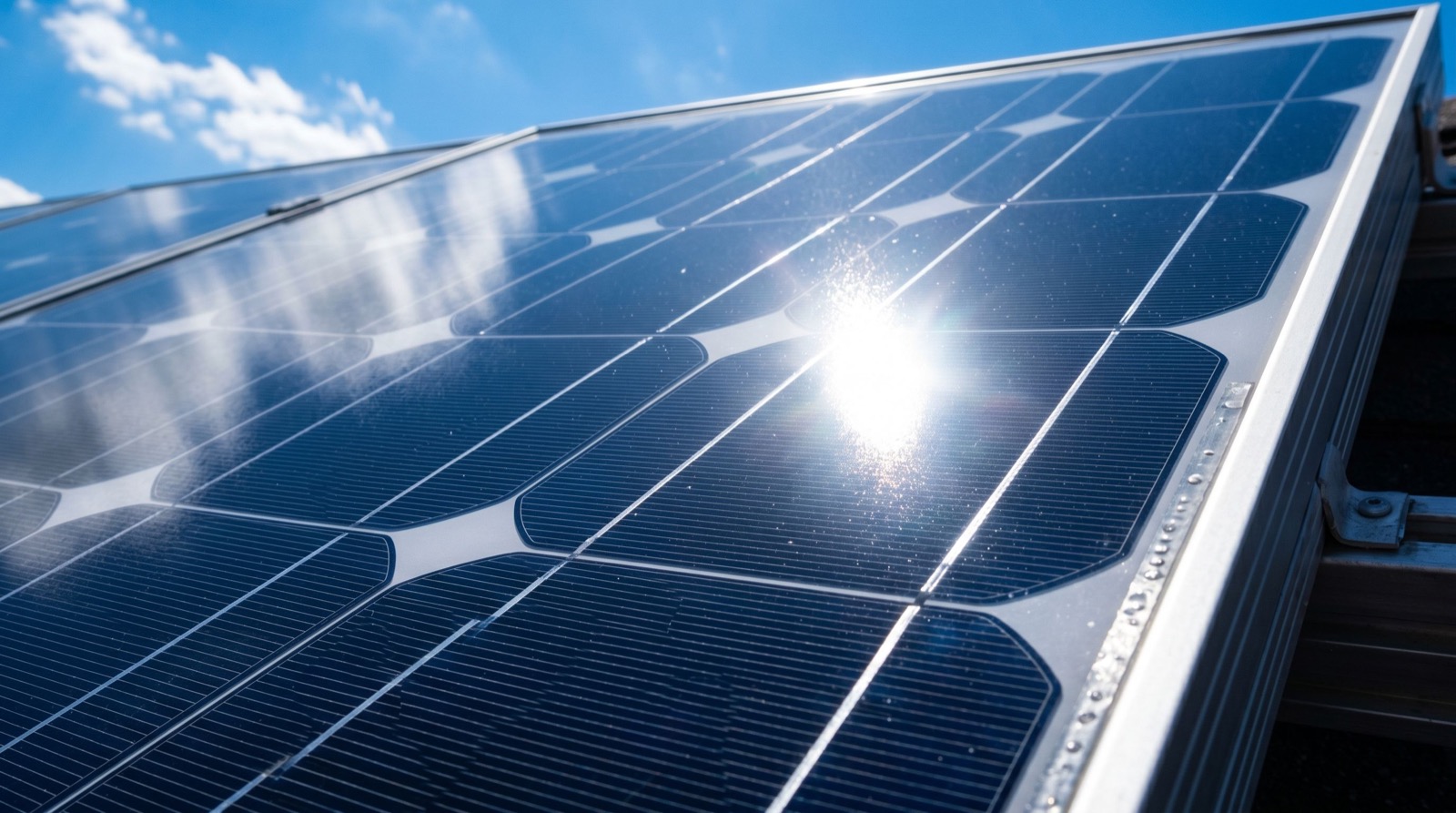
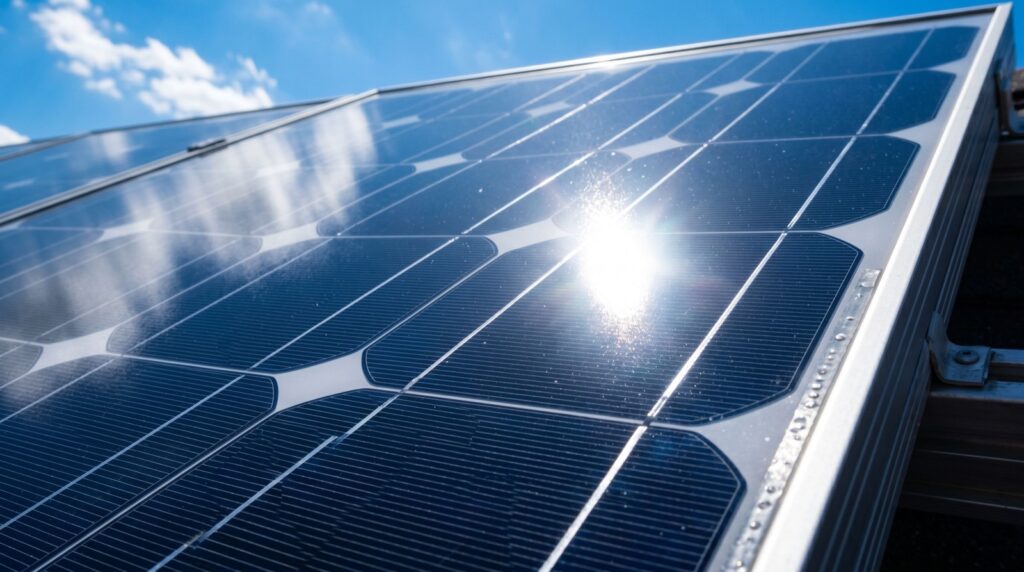
Adding solar panels in Pakistan is no longer just an energy decision; in 2026 it is a property decision. A grid-tied rooftop system lowers monthly bills, insulates a household from tariff shocks, and increasingly nudges up the resale appeal of a home. Buyers now ask about running costs the way they once asked about the number of bedrooms, and a documented solar installation answers that question before it is even raised.
This guide looks at solar through a homeowner-and-property lens: what it costs, how it affects value, and how to make sure the system you install is an asset a future buyer will pay for rather than a liability they want removed.
How Solar Panels in Pakistan Affect Property Value
A home that produces part of its own electricity carries a lower cost of ownership, and lower running costs are a selling point in any market. When a system is properly permitted and net-metered, the savings transfer cleanly to the next owner, which is exactly what makes solar add value instead of merely adding hardware.
Three conditions turn a rooftop array into a genuine value-add:
- Clean documentation: invoices, warranties and the net-metering agreement all in one folder.
- Reputable components: recognisable panel and inverter brands a buyer can research.
- Professional workmanship: tidy wiring, solid mounting and a commissioning report.
Homeowners who want to start from a trusted catalogue can buy solar panels in Pakistan with published specifications, which makes it far easier to prove quality at resale time.
What Does a Home System Cost?
Pricing scales with capacity, and capacity should follow your real consumption rather than a neighbour’s bragging rights. The snapshot below helps you match a system to a typical household profile in 2026.
| Household Type | Suggested Size | Main Benefit | Backup Option |
|---|---|---|---|
| Compact home, 1–2 ACs | 3 kW | Cuts daytime grid use | Add small battery later |
| Standard family home | 5 kW | Covers most daily load | Hybrid inverter ready |
| Large villa | 10 kW | Strong net-metering export | Battery bank optional |
| Home plus home office | 12 kW+ | Runs business loads too | Hybrid recommended |
Remember that the cheapest quote rarely wins over a decade. Thin cabling, undersized breakers and no-name inverters cost more in lost output and early replacement than they ever save upfront.
On-Grid Versus Hybrid for Homes
Most urban households start with an on-grid system because it is the most affordable and exports surplus units through net metering. If load shedding in your area is severe, a hybrid system with a modest battery keeps fans, lights and routers alive during outages without the cost of a full off-grid setup.
- On-grid: best value, no backup, relies on the grid at night.
- Hybrid: adds resilience, slightly higher cost, future-proof.
- Battery add-on: can be fitted later if your inverter supports it.
Safety, Standards and Doing It Right
Solar electricity is safe when installed to standard, but a rushed job creates fire and shock risks that also scare off future buyers. Earthing, surge protection and correctly rated DC isolators are not optional extras. The fundamentals of safe residential electrical work are explained well by the U.S. Department of Energy, whose consumer guidance on photovoltaic systems applies broadly to any home array.
For buyers who value dependable after-sales care, choosing a solar company in Faisalabad with local technicians means faster response if an inverter ever needs attention. Proximity matters when a fault appears on a hot afternoon.
When you are assembling a shortlist of contractors for any part of the home, our directory of quality service providers can point you toward vendors who stand behind their work.
Maintenance That Protects Your Investment
One reason solar strengthens property value is how little upkeep it demands, yet “low maintenance” is not “no maintenance”. A short, predictable routine keeps the system generating at its rated level and keeps the paperwork resale-ready for the day you sell.
The essentials are refreshingly simple. Dust and bird droppings reduce output, so a gentle rinse every few weeks during dry spells restores performance. An annual professional check confirms that connections are tight, the inverter is breathing freely and the mounting remains secure after a year of thermal expansion.
- Cleaning: rinse panels during dusty months; rain handles the rest.
- Annual inspection: connections, inverter health and mounting integrity.
- Monitoring: watch daily yield so a dip triggers a quick service call.
- Records: keep invoices and warranties filed for resale proof.
Timing Your Purchase in 2026
The best moment to install is usually before the next tariff revision, not after, because every month of delay is another month of paying full grid rates. Panel prices have softened thanks to global oversupply, so the same budget buys more capacity today than it did a couple of years ago. Buyers who move early also lock in net-metering terms sooner and start banking export credits through the high-generation summer months.
There is also a practical scheduling benefit. Installers are busiest just as electricity bills spike, so booking a survey ahead of peak demand means a faster slot and a calmer, more thorough installation rather than a rushed one squeezed into a packed calendar.
Frequently Asked Questions
Do solar panels actually increase a home’s resale value in Pakistan?
A documented, net-metered system lowers the buyer’s future bills, and that reduced running cost makes the property more attractive. Clean paperwork and known-brand hardware are what let the value transfer.
Will panels damage my roof?
Correctly installed mounting protects the roof surface and distributes weight safely. Problems only arise with careless drilling or poor sealing, which is why professional installation is essential.
How long do residential solar panels last?
Quality panels typically carry performance warranties of 25 years or more, while inverters usually last around a decade before replacement. The system should outlast most mortgages.
Can I expand my system after buying a bigger home?
Yes, if the inverter has spare capacity and the roof has room. Planning for expansion at the design stage avoids costly rework later.
Conclusion
In 2026, installing solar panels in Pakistan does double duty: it cuts your bills today and strengthens your property’s appeal tomorrow. Treat the project as a long-term asset, insist on named components and clean documentation, and pick an installer with real local support. Do that and your rooftop becomes something every future buyer will value. Get a professional site survey this month and turn rising electricity costs into a selling point.